

Every festive season in Nigeria comes with a familiar trend. Gift card rates begin to rise. Many traders notice it, but few truly understand why it happens. December, Easter, and even major sales periods often deliver better returns for the same gift cards that sold lower weeks earlier. This pattern is not random. It is driven by market behavior, global demand, and local financial pressure. This article explains why gift card rates are higher in Nigeria during festive seasons and how traders can position themselves to benefit from these periods.
Festive Seasons Create a Surge in Digital Spending
Festive periods increase spending across almost every sector. People shop online more, subscribe to digital services, and send gifts across borders. Many of these purchases rely on gift cards, especially international ones. As demand rises globally, buyers begin sourcing more gift cards from secondary markets.
Nigeria becomes an important supply source during these periods. When buyers need cards urgently, they are willing to pay higher rates. This demand directly pushes prices upward for sellers. The effect becomes stronger when global shopping events overlap with local holidays.
Why Dollar Scarcity Amplifies Gift Card Value
Festive seasons often coincide with reduced dollar liquidity in Nigeria. Banks struggle to meet demand, and exchange rates become volatile. When dollars become harder to access, gift cards step in as alternatives.
A $100 gift card still holds full dollar value regardless of local shortages. This makes gift cards attractive substitutes for foreign currency. Traders who understand this dynamic see higher rates because buyers are willing to pay premiums for stable digital value during these periods. During festive seasons, Nigerians spend more on digital services. Streaming subscriptions increase. Gaming activity rises. Online shopping peaks. All these activities require payment methods that work internationally.

Local debit cards often fail during these periods due to transaction limits or international restrictions. Gift cards become reliable solutions. Increased local usage contributes to global demand, creating a dual pressure that further elevates prices.
Why Platforms Adjust Rates Faster in Festive Periods
Gift card platforms respond quickly to market signals. When demand increases, pricing algorithms adjust in real time. Festive periods create rapid shifts, sometimes within hours. Platforms with dynamic pricing reflect these changes immediately.
This is why sellers often notice better rates during weekends, holidays, or major sales events. Platforms like ValueSwap adjust pricing based on demand, availability, and global activity, ensuring rates stay competitive without delays.
Crypto adoption has amplified festive rate increases. Many traders prefer USDT during December because it preserves value while banks struggle with delays. As demand for USDT grows, gift cards become convenient entry points.
A gift card can be converted to USDT quickly and used for savings or spending. This demand strengthens card prices further. Festive seasons accelerate this behavior because people want instant access to value without banking stress.
Why Some Gift Cards Benefit More Than Others
Not all gift cards experience the same increase. Popular international cards perform best. Apple, Amazon, Google Play, Steam, and Vanilla cards usually see stronger demand. These cards are easy to verify and resell.
Brand trust plays a role. Buyers prefer cards with consistent redemption success. During festive rush periods, buyers avoid risky cards. This concentrates demand around reliable options, pushing their rates higher than average.
Why Gift Card Rates: Timing Matters More Than Card Value During Holidays
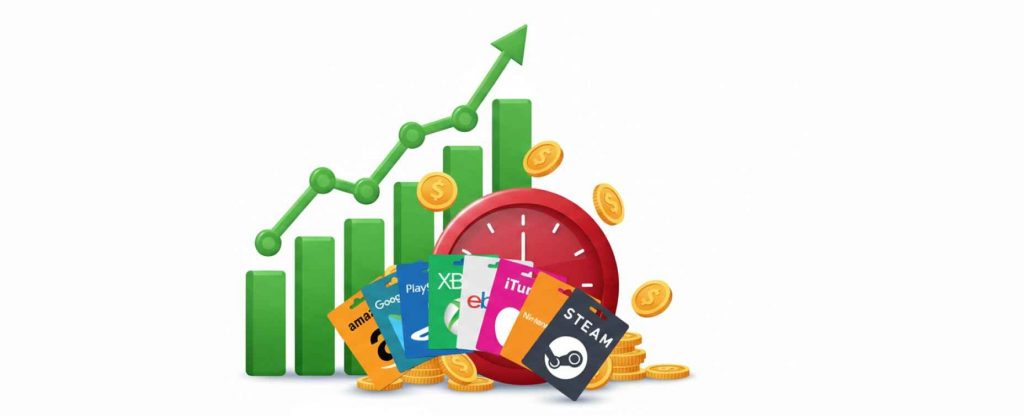
Many traders focus only on card denomination. Timing often matters more. A $50 card sold during peak festive demand can outperform a $100 card sold during a quiet period. Understanding when to trade becomes critical.
Festive seasons compress time. Buyers need cards immediately. This urgency benefits sellers who act at the right moment. Traders who monitor trends consistently earn more than those who rush without strategy.
Festive increases are temporary. Once demand slows, rates normalize. January often brings corrections as spending decreases. Traders who wait too long may miss peak pricing. Smart traders sell during demand spikes, not after. Understanding this cycle helps protect value. Festive periods reward preparation and patience rather than panic selling.
How ValueSwap Supports Traders During High-Demand Seasons
High-demand periods also attract risks. Scams increase. Payment delays become common on unreliable platforms. Secure platforms become more important than ever.
ValueSwap offers instant verification, fast payouts, and transparent pricing during peak periods. Traders can convert cards quickly without worrying about delays. The platform’s 24/7 availability ensures sellers never miss rate opportunities.
Traders should monitor market trends early. Holding high-demand cards before festive periods often pays off. Avoiding partial use preserves card value. Most importantly, choosing a reliable platform ensures you benefit fully from rising demand. Festive seasons reward readiness, not guesswork.
Conclusion: Why Gift Card Rates
Festive seasons consistently improve gift card rates in Nigeria because demand rises while dollar access tightens. Global spending, local usage, and crypto adoption all combine to push prices upward. Traders who understand this pattern gain a clear advantage.

Gift card trading is not just about what you sell. It is about when you sell. Festive seasons provide some of the strongest opportunities for maximizing value. Planning to trade gift cards during high-demand periods? Visit ValueSwap to get live festive rates, instant payout, and secure trading anytime.