Gift card trading has become a common way to unlock value quickly. As demand grows, fraudulent buyers have become more sophisticated. Many traders lose money not because gift cards lack value, but because they trust the wrong buyer. Fake gift card buyers operate using manipulation rather than technology. They exploit urgency, emotions, and incomplete knowledge. In 2026, understanding these tactics is critical for anyone trading gift cards online.
This guide explains how fake buyers operate, the warning signs to watch for, and how to protect yourself during gift card transactions.
Why Fake Gift Card Buyers Are Increasing Worldwide
The digital gift card market has expanded rapidly. Gift cards are easy to transfer and difficult to reverse once used. This makes them attractive to scammers.
Fake buyers target sellers looking for quick cash. Many traders are first-time users or operating under time pressure. Scammers understand this psychology well.
As more people trade gift cards for cash or USDT, scam attempts increase alongside legitimate activity.
What a Fake Gift Card Buyers Really Is
A fake gift card buyer is not a legitimate trader. Their goal is to obtain gift card details without completing payment. They may appear professional and knowledgeable.
Some fake buyers operate alone. Others work in organized networks. Many reuse the same scripts and excuses across different platforms.
Once the gift card code is revealed, the scammer redeems it instantly. Fake buyers rely on trust manipulation. They often sound friendly, confident, and reassuring. They create a sense of partnership rather than a transaction. Urgency is another tool. Scammers claim prices will drop or opportunities will expire. This pressure discourages verification. Victims often realize the scam only after communication stops.
Common Tactics Used by Fake Gift Card Buyers
Most fake buyers follow predictable patterns. They may claim technical issues after receiving the code. Others promise delayed payment due to “network problems.”
Some request partial codes first. Others send fake payment screenshots. These screenshots are easy to fabricate. Any buyer who asks for full codes before payment is completed is a serious risk. Social media is a major hunting ground for scammers. Fake buyers create polished profiles with copied images and fake testimonials.
Some impersonate real brands or exchanges. Others pose as agents representing trading platforms. Comments and likes are often artificially generated. Once contact is established, the conversation moves quickly to private messaging.
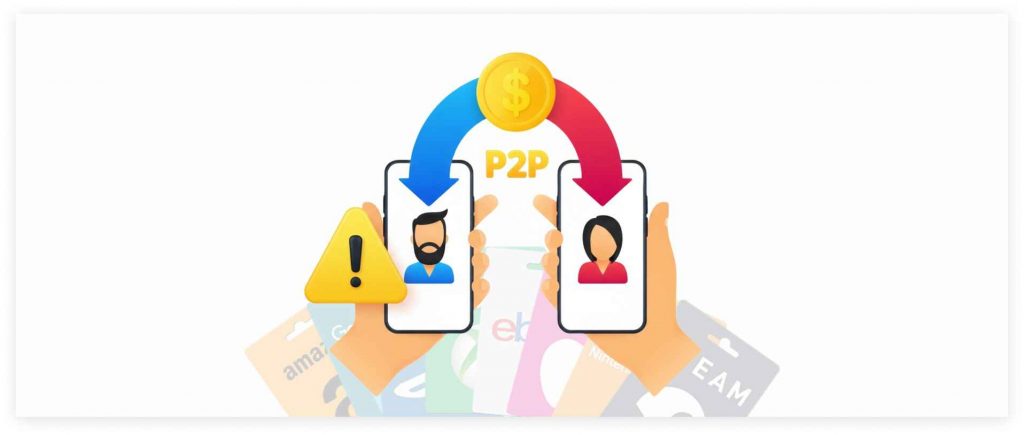
Why Peer-to-Peer Trading Is High Risk
Direct peer-to-peer gift card trading lacks protection. There is no neutral system verifying both sides. Trust is assumed rather than enforced. Once a code is shared, control is lost. Even honest disputes cannot be resolved easily. This is why structured platforms exist. They reduce reliance on trust alone.
Fake buyers frequently send edited payment receipts. These may include bank logos or transaction references. Some claim funds are pending. Others say payment will reflect shortly. The delay buys time to redeem the gift card.
If payment is not confirmed independently, the transaction is not complete. New traders often lack experience. They may not know standard trading procedures. Scammers exploit this gap. Promises of high rates attract beginners. Fake buyers often offer better prices than platforms. In reality, unusually high offers are often bait.
How Legitimate Platforms Prevent Buyer Fraud
Secure platforms remove direct buyer-seller exposure. Gift cards are verified before value is released. Payments are automated and traceable.
Platforms like ValueSwap operate structured workflows. Sellers submit gift cards without revealing codes publicly. Verification happens within a controlled system. This prevents fake buyers from intercepting value.
Scammers succeed when sellers rush. Time pressure reduces careful checks. Fake buyers intentionally create this urgency. Secure platforms reduce urgency by offering instant payout. Sellers do not need to rush into unsafe deals. Speed combined with structure protects value.
How to Identify a Fake Buyer Early
Red flags appear quickly. Buyers who avoid verification are suspicious. Requests to move conversations off secure channels are risky. Another warning sign is refusal to use platforms. Legitimate buyers welcome secure systems. If something feels rushed or unclear, pause.
Gift card codes represent immediate value. Sharing them is equivalent to handing over cash. Once redeemed, codes cannot be recovered. Even screenshots create risk. Secure systems verify codes without exposing them. When You Suspect a Scam,stop immediately. Do not share additional information. Do not send codes or screenshots.Report the account if possible. Change passwords if any details were shared.Learning from near-misses prevents future loss.
ValueSwap removes direct buyer interaction. Sellers trade with the platform, not unknown individuals. Dynamic pricing ensures fair market value. Secure verification protects card details. Instant payout reduces exposure time. 24/7 support assists users when questions arise.
Conclusion
Fake gift card buyers rely on deception, not technology. They succeed when traders rush or skip verification. Understanding their tactics is the first defense. Using secure platforms is the second. In 2026, smart trading means trading safely.
Avoid risky buyers and protect your gift card value. Trade securely with ValueSwap for verified exchanges and instant payouts.