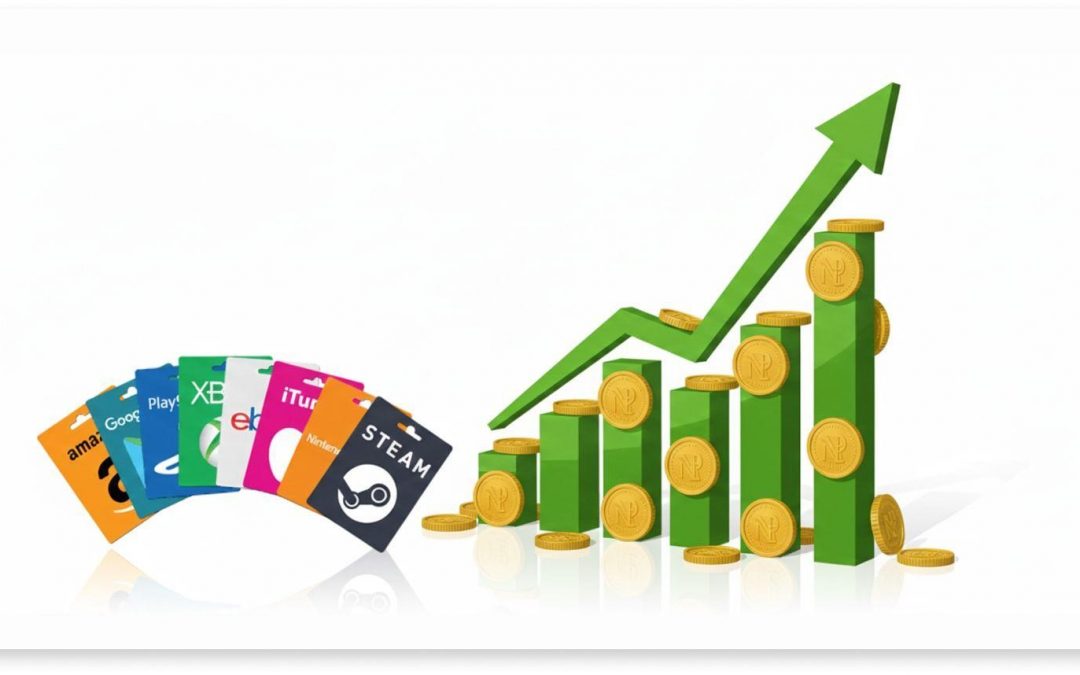
In today’s digital economy, the value of almost everything is shaped by demand, supply, and timing, and gift cards are no different. If you’ve ever wondered why a particular gift card suddenly becomes more expensive, why traders rush to buy certain brands during specific seasons, or why USDT payouts rise when certain cards run low in the market, the answer often comes down to one powerful force: digital scarcity.
Digital scarcity is the modern version of the age-old economics principle: when something becomes harder to find, its value increases. But in the online gift card trading world, this scarcity has unique triggers. It doesn’t happen by accident; it is shaped by platform rules, global shopping seasons, shortages from issuing stores, and even the behavior of buyers in Africa’s fast-moving digital currency ecosystem.
This article breaks down how digital scarcity influences gift card pricing, why it matters for traders in Nigeria and Ghana, and how platforms like ValueSwap help users benefit from these market shifts through smart timing, dynamic pricing, and crypto payouts like USDT and Bitcoin.
Understanding Digital Scarcity in the Gift Card World
In physical markets, scarcity comes from items being rare or limited. For digital assets like gift cards, scarcity is created in different ways. A gift card is just a digital code, but access to that code is not unlimited. Stores control issuance. Platforms control acceptance. Buyers control demand. When any of these change, scarcity emerges, and prices adjust instantly.
For example, when Apple Store gift cards become difficult to purchase directly in the U.S., or when Amazon introduces new verification checks that slow down purchases, fewer cards enter the global resale ecosystem. The result is a sudden spike in rates, especially in high-demand markets like Nigeria.
Digital scarcity also grows when brands temporarily pause new card creation or when platforms crack down on fraud. These pauses ripple across the global trade cycle, making certain cards more valuable overnight.
In short, scarcity is not just about availability; it’s about how fast a card can move from the issuing store into the hands of traders.
Why Some Gift Cards Become Scarce at Specific Times

Scarcity rarely happens randomly. It usually follows predictable patterns that traders can learn to take advantage of. During the December shopping rush, for instance, stores like Macy’s, Nike, and Sephora sell more gift cards than usual, but they also face system downtimes due to volume. When those systems slow down, newly purchased cards enter the market at a slower rate, creating scarcity on trading platforms. The effect is simple: more demand and fewer cards mean higher rates.
Similarly, during periods when the U.S. dollar strengthens, fewer Nigerians abroad buy gift cards for family or friends back home, reducing supply in West Africa’s digital trading space. Scarcity grows, and rates rise again.
But one of the biggest drivers of scarcity is global retail behavior. When brands discontinue certain denominations or release new card formats, traders rush to buy old stock, creating temporary shortages. This scarcity boosts prices until the market stabilizes again.
How Digital Scarcity Shapes Online Prices
The online gift card market is extremely sensitive. A minor global shift can raise or lower local prices by up to 20% within days. Here’s how scarcity translates into pricing:
When a card brand becomes less available, traders competing to buy it offer increasingly better rates. Demand pushes prices upward. Platforms with dynamic pricing systems update their rates multiple times a day to stay aligned with global value. This is why a gift card that sold for ₦700 per dollar last week may sell for ₦820 per dollar today.
Digital scarcity also affects liquidity, the speed at which cards are bought and sold. When a card is in short supply, liquidity increases because traders know buyers are waiting. This means faster trades, quicker payouts, and more profitable margins.
For African traders who prefer crypto settlements, scarcity also boosts USDT and Bitcoin payouts. Because crypto rates often mirror global demand, when scarcity spikes, payouts become more competitive, helping users get more value.
Digital Scarcity and the Rise of USDT Payouts for Gift Card Trading
One of the biggest shifts in the last two years has been the move toward USDT and Bitcoin payouts. As scarcity-driven pricing becomes more active, many traders prefer crypto because it reflects real-time value and arrives instantly.

USDT is especially important. It mirrors the dollar, and unlike bank transfers, it doesn’t suffer delays or rate fluctuations. When a high-demand card becomes scarce, USDT payout becomes the best way to lock in value before rates shift again.
Platforms like ValueSwap have embraced this demand by offering:
i. Instant USDT and Bitcoin payouts
ii. Dynamic pricing that adjusts to global scarcity levels
iii. Fast processing for high-demand cards
This ensures that even when scarcity pushes prices up or down, users can convert their cards quickly at the best available value.
How Traders Can Benefit from Digital Scarcity
Digital scarcity is not something traders should fear. It is something they can use to their advantage if they understand the signals.
The key is timing. When you notice a certain card becoming scarce, like Apple, Amazon, Steam, or Walmart, you should trade immediately. Delaying could mean missing a higher rate. Likewise, following market patterns helps you anticipate scarcity before it happens.
For example, the weeks leading into major U.S. shopping events like Black Friday, Cyber Monday, or Independence Day often trigger higher demand globally. This means gift cards bought or traded during these windows usually attract better rates.
Another smart strategy is diversifying. Don’t stick to only one card type. Many traders who buy multiple brands, especially high-performing cards like AMEX, Apple, and Best Buy, tend to benefit the most when scarcity cycles begin.
How ValueSwap Helps You Navigate Scarcity-Based Pricing
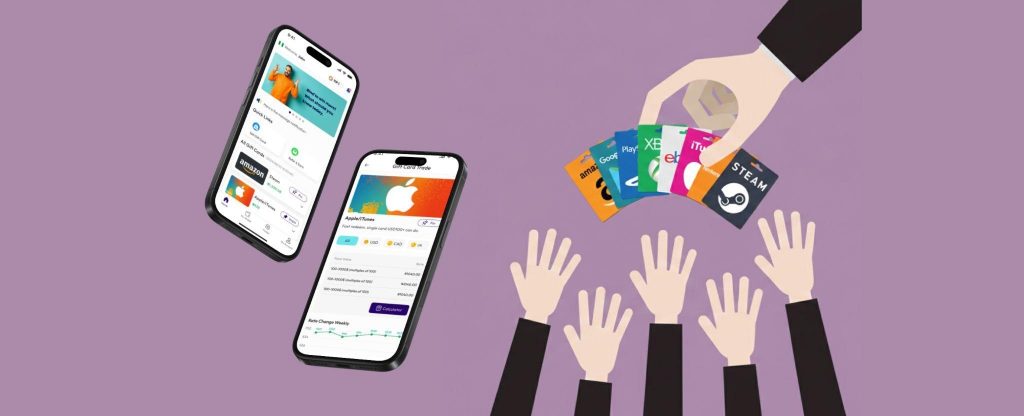
Digital scarcity can be confusing for new traders, but ValueSwap simplifies the experience by offering tools that help users trade confidently.
The platform provides: Real-time pricing updates, Fast verification, Instant USDT, Bitcoin, and bank payouts, A secure environment with 24/7 support and Automated rate monitoring based on global activity.
This means users don’t need to manually track scarcity cycles. ValueSwap does the heavy lifting, ensuring traders always get the best possible value regardless of market fluctuations. If scarcity drives prices up, ValueSwap updates instantly. If it drops, traders are notified before they make a decision. It creates a stress-free trading environment built on transparency and speed.
Conclusion
Digital scarcity is one of the strongest forces shaping gift card pricing in today’s online market. From global supply shifts to seasonal trends and platform restrictions, scarcity triggers price movements that smart traders can use to maximize profits. As Nigeria’s digital trading economy grows, understanding scarcity becomes essential, not optional.
Platforms like ValueSwap make it easier for users to tap into these opportunities with dynamic pricing, crypto payouts, and always-on support.
Ready to trade at the best value before scarcity shifts the market again? Visit ValueSwap and convert your gift cards to USDT, Bitcoin, or cash instantly.