In a world where digital payments are becoming the norm, understanding how financial tools work is essential. One of the most common financial comparisons people encounter is between a credit and debit card. While they look similar and are both used to make purchases, the way they function, and the financial implications, are very different. For individuals in Nigeria and Ghana, where financial technology is growing rapidly, understanding these differences is key to making smart money decisions.
What Is a Debit Card?
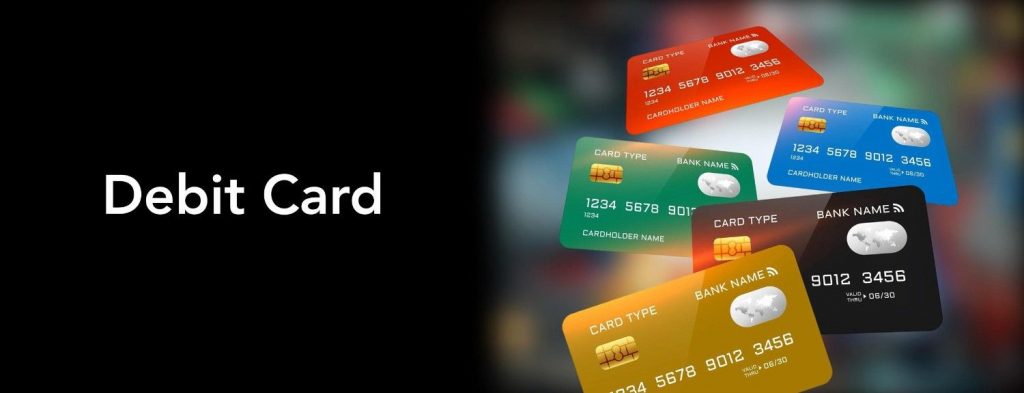
A debit card is directly linked to your bank account and allows you to spend money that you already have. Every time you make a purchase or withdrawal using a debit card, the money is immediately deducted from your account balance. In Nigeria and Ghana, most people use debit cards issued by their banks, including Verve, Mastercard, and Visa cards. These cards are ideal for daily expenses and are widely accepted across ATMs, POS terminals, and online platforms. The main advantage of a debit card is that it helps you avoid spending beyond your means, as you can only use what you already own.
What Is a Credit Card?
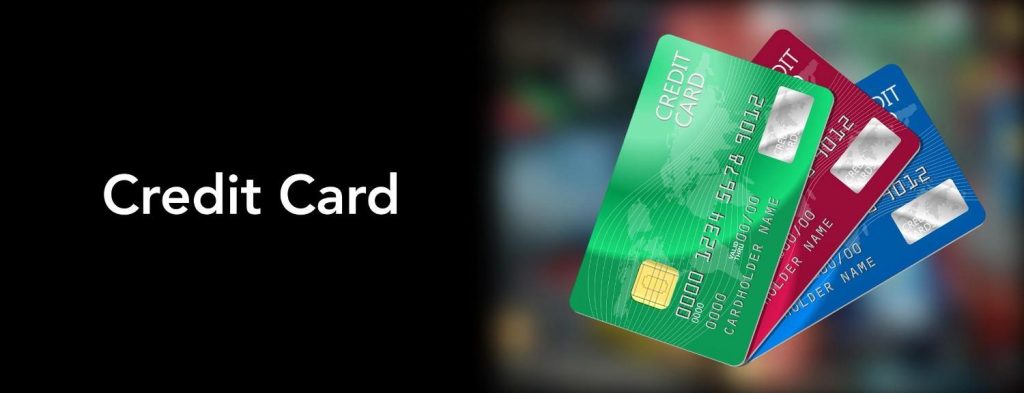
A credit card, on the other hand, allows you to borrow money from a financial institution up to a predetermined credit limit. You can use it for purchases, but instead of deducting funds from your account immediately, the credit card issuer pays on your behalf. You’re then expected to repay the borrowed amount within a set period, usually a month. If you don’t repay on time, interest is added. While credit cards are not yet as common in Nigeria and Ghana due to stricter eligibility criteria, they are gradually gaining popularity for their convenience, especially for online purchases and emergency expenses.
Key Differences Between Debit Cards and Prepaid Cards
While debit cards and debit cards can both be used for payments, they work differently behind the scenes. So here are some key differences of both Debit and Credit card
Spending Control and Discipline of credit and debit card
A major difference between a credit and debit card lies in how they influence spending behavior. Debit cards are naturally limiting, you can only spend what you have, which promotes better budgeting. Credit cards, however, can tempt you to overspend since you’re using borrowed funds. For Nigerians and Ghanaians trying to build responsible financial habits, debit cards are often the safer starting point. That said, when managed well, a credit card can be a helpful tool, especially for building credit history.
DOWNLOAD VALUESWAP APP NOW!
SELL YOUR GIFT CARD ON VALUESWAP NOW
Fees and Financial Implications of credit and debit card
Debit cards generally have minimal fees, such as ATM withdrawal charges or annual maintenance. In contrast, credit cards can come with complex fee structures, interest charges on late payments, annual fees, over-limit fees, and more. If you fail to repay your credit balance in full, the interest can pile up quickly. For users in Nigeria and Ghana, where disposable income is often limited, it’s essential to understand these costs before choosing to rely on a credit card for daily spending.
Building Credit History of credit and debit card
One key benefit of using a credit card is that it allows you to build a credit history. Making timely repayments can improve your credit score, which may help you qualify for loans or other financial products in the future. Unfortunately, credit scoring systems are still evolving in many parts of Africa. But as fintech grows, we’re seeing more institutions offer tools to help individuals in Nigeria and Ghana track and improve their creditworthiness. Debit cards, however, do not impact your credit score since they do not involve borrowing.
Security and Fraud Protection of credit and debit card
Both credit and debit cards offer fraud protection, but credit cards usually come with stronger consumer rights. If you fall victim to a scam, it’s often easier to dispute transactions made with a credit card. Debit card fraud, on the other hand, leads to immediate deduction from your bank account, and refunds may take longer. Whether using a credit or debit card, always ensure you transact on secure platforms and avoid sharing sensitive information carelessly.
Credit Card Options in Nigeria Expanding for 2025
Here’s an updated look at credit card options in Nigeria: Leading banks like Standard Chartered, First Bank, Zenith Bank, and GT Bank continue to expand their credit card offerings, providing Nigerians with more choices for convenient and secure spending. New digital-focused products from fintech companies are also emerging, making it easier than ever to access credit without the traditional paperwork. Whether you need a card for local use or international travel, the latest credit cards in Nigeria come with attractive benefits such as cashback, rewards, and enhanced security features—helping you manage your finances efficiently in today’s fast-paced economy.
Turning Gift Cards into Cash with ValueSwap
Now that we’ve explored the key differences between a credit and debit card, it’s worth mentioning another smart financial tool, gift cards. If you’ve received an international gift card that you can’t use locally, platforms like ValueSwap allow you to convert that value into cash. Whether it’s an Amazon, Nordstrom, Google Play, or iTunes gift card, you can trade it securely for Naira or Cedis. ValueSwap is trusted by users in Nigeria and Ghana for its real-time rates, fast payments, and secure verification system. Instead of letting unused cards sit idle, turn them into spendable money, just like you would manage your finances with a credit or debit card.
One easy way you can make money is by selling Gift cards online. Don’t let that card sit idle, make it count. Visit www.valueswap.ng to trade it for cash Today!
Conclusion
Understanding the difference between a credit and debit card is fundamental for anyone navigating today’s digital economy. Debit cards offer straightforward spending from your account, promoting control and financial discipline. Credit cards provide borrowing flexibility and the opportunity to build credit, if used responsibly.
For Nigerians and Ghanaians, choosing the right card depends on financial goals and spending habits. And when it comes to getting even more out of your finances, don’t forget you can sell gift cards through ValueSwap for instant cash. Smart decisions start with financial knowledge, and you now have the tools to make them.