Imagine receiving a gift card worth $100, only to discover that you cannot use it at your favourite store. While gift cards offer convenience, flexibility varies depending on the type you receive. Understanding the Types of Gift Cards can help you make smarter purchasing decisions, choose better gifts, and discover what to do with cards you no longer need.
From widely accepted payment-network cards to retailer-specific options, each category has its own benefits and limitations. Whether you are buying a gift, managing your balance, or considering selling an unused card, knowing the difference between open-loop and closed-loop gift cards is essential. ValueSwap can help you explore gift card selling options, check the current rate, and make informed decisions when exchanging eligible cards.
Types of Gift Cards and How They Work
Gift cards are prepaid products that hold a monetary value for eligible purchases. They allow recipients to shop without paying directly from their bank accounts, making them popular for birthdays, celebrations, rewards, and everyday spending.
Some cards work across participating merchants that accept a particular payment network, while others are restricted to a specific retailer or service. These differences determine where the card can be redeemed and how useful it may be to the holder.
Before buying or selling a gift card, check its issuing brand, currency, remaining balance, and redemption conditions. For a clearer understanding of prepaid card categories, explore the Consumer Financial Protection Bureau’s guide to choosing the right card.
Types of Gift Cards: Understanding Open-Loop Cards
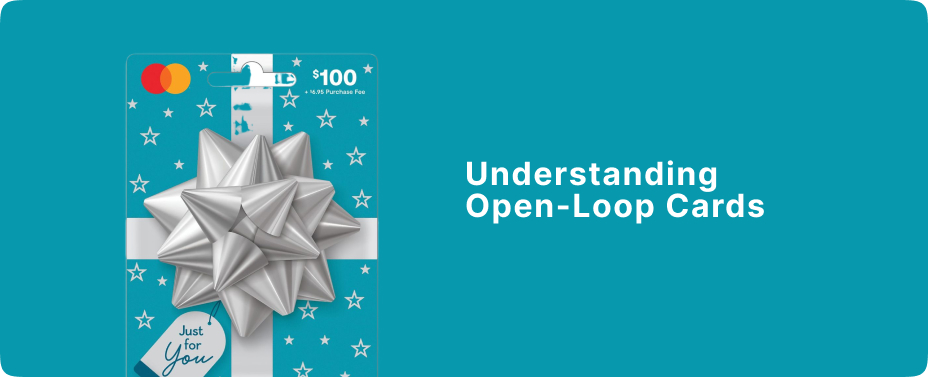
Open-loop gift cards are associated with payment networks such as Visa or Mastercard. Depending on the card’s terms, they can generally be used at participating merchants that accept the relevant network.
For example, an eligible open-loop card may allow its holder to shop at different stores rather than being restricted to a single retailer. This flexibility makes it an attractive choice for people who want more freedom when spending their gift.
However, acceptance is not universal. Some cards have geographical restrictions, transaction limitations, or fees. Always review the issuer’s conditions before purchasing or using one.
Types of Gift Cards: Exploring Closed-Loop Cards
Closed-loop gift cards are designed for use with a particular retailer, brand, or group of participating businesses. Examples include Amazon gift cards and cards issued by specific restaurants, gaming services, or entertainment providers.
These cards are especially useful when you know the recipient enjoys a particular brand. They can make gift-giving more personal while helping customers purchase products or services they genuinely want.
Their main limitation is restricted acceptance. A retailer-specific card generally cannot be used like a payment-network card at unrelated businesses. Check the official redemption policy to understand where your balance can be spent.
Key Differences Between Open and Closed Loop
The primary difference between open-loop and closed-loop gift cards is their acceptance range. Open-loop cards typically offer broader payment-network acceptance, while closed-loop cards are limited to designated merchants or services.
Open-loop cards may suit recipients who value flexibility. Closed-loop options are often ideal for people who regularly shop with a particular brand.
Resale value is another consideration. Brand demand, currency, denomination, card condition, verification requirements, and current exchange rates can affect the amount offered. Neither category automatically guarantees a better selling price.
If you have an unused gift card, check the rate on ValueSwap before making a decision. Comparing the available offer with your card’s original value helps you understand the potential return.
Choosing the Best Option

Choosing a suitable gift card begins with understanding the recipient’s preferences. Consider their favourite shops, online services, location, and shopping habits.
An open-loop card may be appropriate when you want to provide greater spending flexibility. A closed-loop card can be a thoughtful option when you know someone enjoys a particular retailer, gaming service, or restaurant.
Always review expiration terms, applicable fees, redemption restrictions, and balance requirements. Keep your receipt and protect the card number and PIN from unauthorized access.
If you receive a card you cannot use, selling it through a reputable exchange service may be an option, depending on the card’s eligibility and the service’s requirements.
Types of Gift Cards: Selling Unused Cards Safely
An unused gift card does not have to remain forgotten in your wallet or email inbox. Depending on the brand and its eligibility, you may be able to exchange it through a gift card trading service.
ValueSwap offers an option for users interested in checking gift card rates and selling eligible cards. Before submitting your card, confirm the supported brands, follow the verification process, and review the quoted amount.
Visit ValueSwap to check the current rate, sell instantly if your card is eligible, and get the ValueSwap app for convenient access to its services.
Security should always come first. Never share your gift card details with an unknown buyer or someone pressuring you to act urgently. The Federal Trade Commission’s guide to avoiding and reporting gift card scams explains common warning signs and how to protect yourself.
Conclusion
Understanding gift cards involves more than recognizing their categories. You should know the issuing brand, remaining balance, currency, redemption restrictions, and whether the card qualifies for resale.
Never assume every gift card can be converted directly into cash or used internationally. Policies vary by issuer and exchange service, so verify the terms before taking action.
Keep purchase receipts and store your card information securely. If you suspect fraud or unauthorized use, contact the issuer promptly and preserve any relevant evidence.
For more information about prepaid card features, fees, and consumer considerations, visit the Consumer Financial Protection Bureau’s prepaid card resource centre.
Ultimately, the best gift card is one that matches the recipient’s needs and provides practical value. Understanding the available options helps you spend wisely, give thoughtfully, and make informed decisions when selling unused cards.
Have a gift card you no longer need? Check the current rate on ValueSwap, explore your selling options, and get the ValueSwap app to manage eligible gift card transactions more conveniently.
Now that you understand open-loop and closed-loop gift cards, which type would you prefer to receive, and why?