
The gift card market has grown into a full digital economy of its own. In 2026, gift cards are no longer just presents or store credits; they are active financial instruments used for payments, rewards, and cross-border value exchange. Yet for many people in Nigeria and Ghana, the gift card market still feels confusing and unpredictable.
Rates change without warning, some cards sell faster than others, and platforms offer different payout options. To trade confidently, you need to understand how the gift card market actually works. This guide breaks it down in simple terms, explaining demand, pricing, trends, and how everyday users can make smarter decisions.
What the Gift Card Market Really Is
At its core, the gift card market is a secondary exchange system. Gift cards are first issued by brands like Amazon, Apple, or Google. After that, they enter a resale and exchange market where people trade unused balances for cash or digital value.
This market exists because gift cards carry prepaid value. Someone has already paid real money for them, which makes them transferable. Once you understand this, the rest of the market starts to make sense.
Nigeria and Ghana are major players in the global gift card market for several reasons. Cross-border payments are common, international freelancing is growing, and digital services dominate everyday life.
Gift cards are often easier to receive than bank transfers, especially from abroad. Many users also prefer gift cards because they are fast, flexible, and not tied to local banking limitations. This steady inflow of cards fuels a strong resale market.
Demand and Supply: The Engine of the Gift Card Market
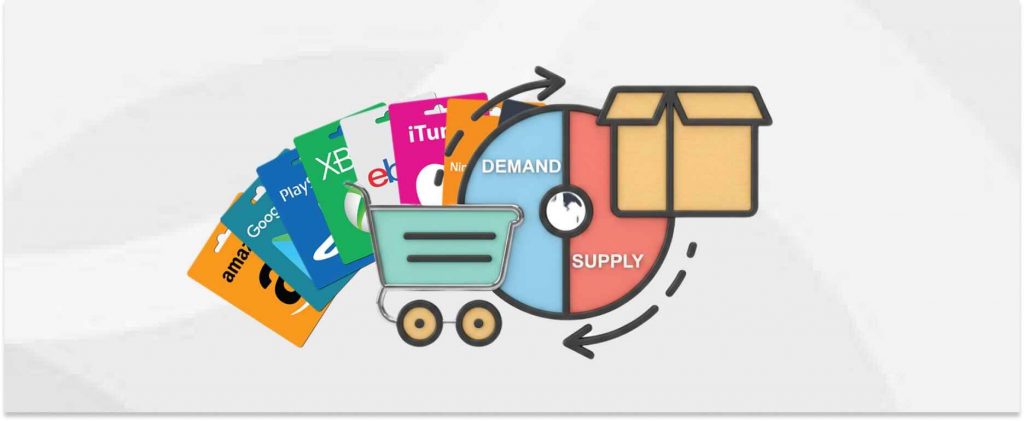
Demand is the single most important factor in the gift card market. When many people want a particular gift card, its value rises. When interest drops, rates fall.
High-demand gift cards are usually those with broad usability. Cards like Amazon, Apple, Google Play, and American Express remain popular because they can be used for many purposes and resold easily.
Understanding demand helps you predict which cards will trade faster and at better rates.
Supply works hand in hand with demand. If too many people are selling the same type of gift card at once, the market becomes saturated. Buyers have more options, so rates drop. This is why a gift card that sold well last week may offer a lower rate today. It doesn’t mean the card lost value permanently; it simply means supply increased.
Why Gift Card Rates Change So Often
Gift card rates change because the market is dynamic. Rates respond to supply, demand, regional usability, and risk factors.
Another reason for frequent changes is timing. Market activity varies throughout the day and week. Rates may shift faster during peak trading hours and stabilize during quieter periods. Platforms adjust prices in real time to reflect these conditions.
Not all gift cards behave the same way. Some are flexible and global, while others are limited to specific platforms or regions. Cards with broader use cases tend to maintain stronger value. Niche or region-locked cards may still sell, but often at lower rates. Knowing the category your card falls into helps you set realistic expectations before trading.
The Role of Exchange Platforms

Exchange platforms connect sellers with buyers and manage verification, pricing, and payouts. Without these platforms, most people would struggle to trade gift cards safely.
Platforms like ValueSwap simplify the process by allowing users in Nigeria and Ghana to exchange gift cards for cash or USDT. Instead of negotiating manually, users follow a clear system that reflects real-time market value.
In 2026, gift card trading is no longer limited to cash payouts. USDT has become a popular alternative because of its stability and global usability.
Cash remains useful for local expenses, while USDT offers flexibility for online payments and savings. Many users switch between the two depending on their needs. This dual option adds another layer to how the gift card market functions.
Risk, Fraud, and Why Rates Account for It
Fraud risk affects gift card pricing more than most people realize. Some card types are easier to verify than others. Cards with higher fraud risk often carry lower rates to offset potential losses.
This is why platforms emphasize verification and caution users against informal trading methods. Structured platforms reduce risk and protect both buyers and sellers.
Common Misunderstandings About the Gift Card Market
Many people assume platforms set rates arbitrarily. In reality, platforms respond to external market forces. Another misconception is that holding a card longer will always result in a better rate. While timing can help, markets don’t guarantee upward movement.
Understanding these realities prevents frustration and poor decisions.
The first step to trading smarter is knowledge. Know which cards are in demand, understand that rates move, and choose reliable platforms. Avoid social media buyers and informal deals. These often ignore market realities and expose you to unnecessary risk. If you ever need assistance, ValueSwap support is available on WhatsApp at +33758692927.
The Future of the Gift Card Market

The gift card market will continue to evolve. As digital payments expand and remote work grows, gift cards will remain a key bridge between global and local economies.
What’s changing is how people use them. Instead of spending directly, many users now exchange gift cards into the form of value that suits them best, cash or USDT.
Conclusion
Understanding the gift card market isn’t about memorizing rates or chasing trends. It’s about knowing how value flows, why prices move, and how to protect yourself while trading.
For users in Nigeria and Ghana, gift cards offer real opportunities when approached with the right knowledge and tools. Platforms like ValueSwap make it easier to participate safely and confidently.
To explore current rates or start a trade, visit ValueSwap Or contact support on WhatsApp: +33758692927.