Will Gift Cards Replace Cash in Certain Markets? The way people exchange value is changing rapidly. In 2026, cash is no longer the only, or even the most convenient, way money moves in many parts of the world. Digital wallets, cryptocurrencies, and prepaid instruments are now everyday tools. Among these, gift cards have quietly grown beyond their original purpose. What started as a simple present has evolved into a widely used medium of exchange.
This shift raises an important question: will gift cards replace cash in certain markets? In regions like Nigeria and Ghana, where cross-border payments, remote work, and digital commerce are growing fast, the answer is more nuanced than a simple yes or no.
This article examines the current use of gift cards, their growing popularity, areas where they may outperform cash, and instances where cash remains essential.
How Gift Cards Became More Than Just Gifts
Gift cards were originally designed for one thing: spending within a specific brand or store. Over time, their role expanded. International companies began using them as rewards and compensation. Online platforms adopted them for payouts. Freelancers started receiving them instead of bank transfers. Friends and relatives abroad found them easier to send than cash.
By 2026, gift cards are no longer just retail tools. They function as prepaid digital value, often moving faster and more freely than traditional money, especially across borders.
In many markets, gift cards offer advantages that cash cannot easily match. One major reason is speed. Sending gift cards internationally is often faster than bank transfers, which may take days and involve high fees. Another reason is access. Not everyone in Nigeria or Ghana has easy access to international banking, but gift cards bypass those limitations. As long as you have internet access, you can receive and use them.
There is also currency flexibility. Gift cards are typically denominated in stable foreign currencies, making them attractive in economies where local currencies fluctuate. This stability is one reason many people later choose to convert gift cards into cash or USDT.
Markets Where Gift Cards Are Already Acting Like Cash
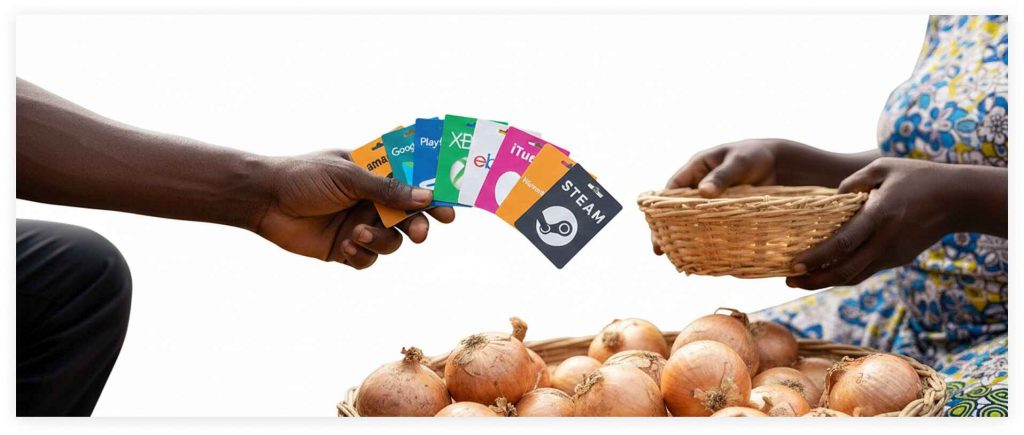
In certain digital markets, gift cards already function as a cash alternative.
Freelance and Remote Work Payments: Many freelancers in Nigeria and Ghana receive Amazon, Apple, or Google Play gift cards as payment from international clients. These cards are then exchanged for cash or USDT through platforms designed for gift card trading.
Online Services and Subscriptions: Gift cards are widely used to pay for streaming services, cloud tools, apps, games, and digital products. In these spaces, gift cards often replace direct cash payments entirely.
Informal Digital Trade: In online communities, gift cards are frequently used as value tokens. They are traded, exchanged, and swapped much like money, especially high-demand cards such as Amazon or Apple.
Will Gift Cards Replace Cash in Certain Markets and Why Gift Cards Cannot Fully Replace Cash
Despite their growing influence, gift cards are not positioned to completely replace cash.
The most important limitation is restricted use. Each gift card is tied to a specific brand or ecosystem. Unlike cash, it cannot be spent freely everywhere.
Another limitation is verification and trust. Gift cards must be validated before they can be exchanged. This creates friction, especially outside structured platforms.
There is also the issue of liquidity timing. Cash is immediately usable. Gift cards often require an extra step, such as selling or swapping, before they become flexible funds.
The Role of Exchange Platforms in This Shift
This is where structured platforms change the equation. Platforms like ValueSwap bridge the gap between gift cards and real money by allowing users to convert gift cards into cash or USDT efficiently.
Instead of gift cards replacing cash entirely, they are becoming intermediate value carriers. Users receive gift cards, then exchange them into whatever form they need most at that moment. This model is particularly popular in Nigeria and Ghana, where users want flexibility without relying solely on banks.
In 2026, the conversation is no longer gift cards versus cash alone. USDT has entered the picture as a stable digital alternative. Gift cards are excellent for receiving value quickly, especially from international sources. Cash remains essential for everyday local transactions. USDT provides a bridge between the two, offering stability and global usability.
Many users now move value through all three. A freelancer may receive a gift card, swap it to USDT, then convert to cash only when needed. This layered approach shows that replacement is not the goal; flexibility is.
Will Gift Cards Replace Cash in Certain Markets? Why Developing Markets Are Leading This Change
Nigeria and Ghana are uniquely positioned in this transition. High mobile adoption, a strong digital workforce, and frequent international transactions make alternative value systems attractive.
Gift cards thrive in environments where traditional banking is slow, expensive, or restrictive. They offer a way to bypass friction while still holding real value.
As long as there are reliable platforms to exchange gift cards safely, their role in these markets will continue to expand.
Security and Regulation Considerations
One reason cash remains dominant is trust. People understand it. Gift cards, on the other hand, require education. Users must understand which cards are valuable, how to avoid scams, and how to exchange safely.
Structured platforms reduce this risk by offering verification, transparent rates, and support. For example, ValueSwap provides assistance via WhatsApp at +33758692927, helping users navigate the exchange process confidently.
What the Future Likely Looks Like
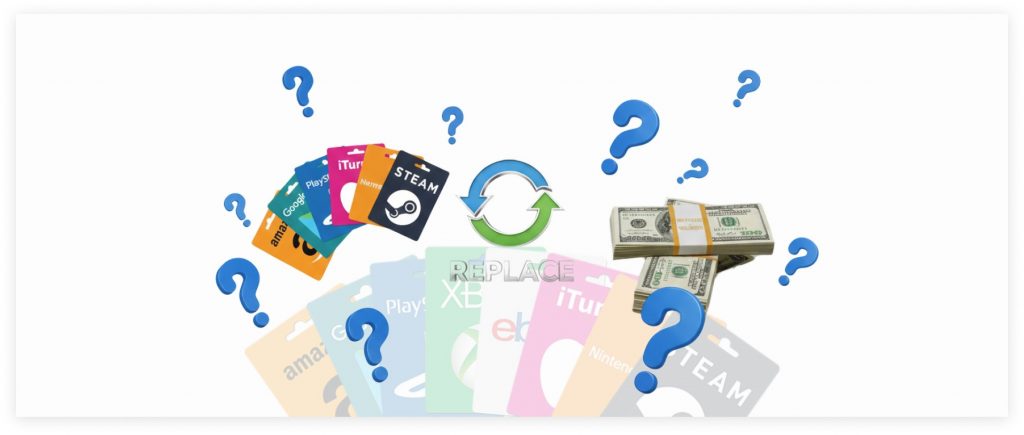
Gift cards are unlikely to replace cash entirely, but they are clearly replacing cash in specific use cases. International payments, online services, digital rewards, and remote work compensation are already dominated by non-cash instruments.
In these spaces, gift cards function less like gifts and more like digital currency units that can be converted on demand.
As exchange platforms improve and users become more educated, gift cards will continue to play a larger role in how value moves, especially in emerging digital economies.
Conclusion: Will Gift Cards Replace Cash in Certain Markets?
So, will gift cards replace cash in certain markets? In some areas, they already have. Not by eliminating cash, but by offering a faster, more flexible alternative for receiving and transferring value.
In Nigeria and Ghana, gift cards have become a practical financial tool, especially when paired with platforms that allow conversion to cash or USDT. The future is not about choosing one form of money over another, but about having the freedom to move between them easily.
If you’re holding gift cards and want that flexibility, ValueSwap make it possible to turn prepaid value into real, usable funds. Get started now on ValueSwap.