Gift card trading has evolved beyond simple face value calculations. In 2025, gift card liquidity has become the hidden factor separating profitable trades from disappointing outcomes. Many traders still focus on card denomination alone. This approach often leads to slower trades and reduced returns.
Liquidity determines how fast a gift card can be converted into usable value. It also influences pricing stability and payout speed. Understanding liquidity changes how smart traders approach the market.
What Gift Card Liquidity Really Means
Liquidity refers to how easily a gift card can be traded without losing value. High-liquidity cards attract consistent demand across multiple markets. These cards move quickly, even during slow trading periods.
Low-liquidity cards may look valuable on paper. However, they often struggle to find buyers at expected rates. Liquidity reflects real demand, not just brand popularity.
In 2025, liquidity has become more important than brand recognition.
Why Face Value Alone Can Be Misleading
A $500 gift card does not always trade better than a $100 card. Larger cards often face stricter verification and longer processing times. Buyers assess risk more carefully with higher denominations.
Smaller, high-liquidity cards frequently complete trades faster. They also experience fewer disputes and rechecks. Face value matters, but market demand matters more. Liquidity keeps value usable. Rates are shaped by how quickly buyers can resell or redeem cards. High-liquidity cards maintain steadier pricing during market fluctuations. Low-liquidity cards experience sharper rate swings.
When liquidity drops, buyers reduce offers to manage risk. This happens even if the card brand is popular, like Amazon. Liquidity protects traders from sudden rate drops. Stable demand creates stable pricing.
Seasonal Demand and Liquidity Shifts
Liquidity is not static throughout the year. Shopping seasons, digital sales events, and economic conditions affect demand. Some cards gain liquidity temporarily, then decline after peak periods.
Traders who understand these cycles trade at better moments. Those who ignore timing often miss optimal rates. Liquidity follows user behavior. Market awareness improves timing.
High-liquidity cards attract more buyers simultaneously. This competition shortens verification queues. It also improves payout speed.
Buyers are more confident when resale risk is low. Confidence accelerates processing. Speed becomes a natural benefit of liquidity. Fast trades reduce uncertainty.
Gift Card Liquidity and Payout Method Flexibility
High-liquidity cards usually support more payout options. Buyers feel comfortable offering instant payouts when demand is strong. Low-liquidity cards often require longer holding periods. Access to stable digital payouts increases trading efficiency. Liquidity expands choice. Choice improves control. Flexibility adds value beyond rates.
Many traders chase the highest advertised rate without checking liquidity. Others hold cards too long, waiting for unrealistic pricing. Some ignore market signals entirely. A few common errors include:
i. Trading rare cards with limited demand
ii. Submitting oversized denominations during slow periods
iii. Ignoring payout speed when comparing offers
These mistakes reduce overall value, even when rates look attractive.
How Experienced Traders Use Liquidity Strategically
Experienced traders prioritize consistency over hype. They trade cards with steady demand. They monitor market activity before submitting cards. They value platforms that adjust pricing dynamically. Dynamic pricing reflects real liquidity conditions. This approach avoids artificial rate promises. Strategy replaces guesswork.
Liquidity reduces exposure to market shocks. When demand is strong, cards retain value even during volatility. When liquidity dries up, risk increases quickly. Treating liquidity as a safety factor changes trading behavior. Traders become more selective. Losses decrease. Risk awareness improves outcomes.
Digital payments continue to evolve rapidly. Consumer spending habits are shifting. Gift card usage is becoming more strategic. Liquidity will define which cards remain relevant. Traders who adapt early will benefit most. Those who ignore liquidity will struggle. The market rewards adaptability.
Conclusion
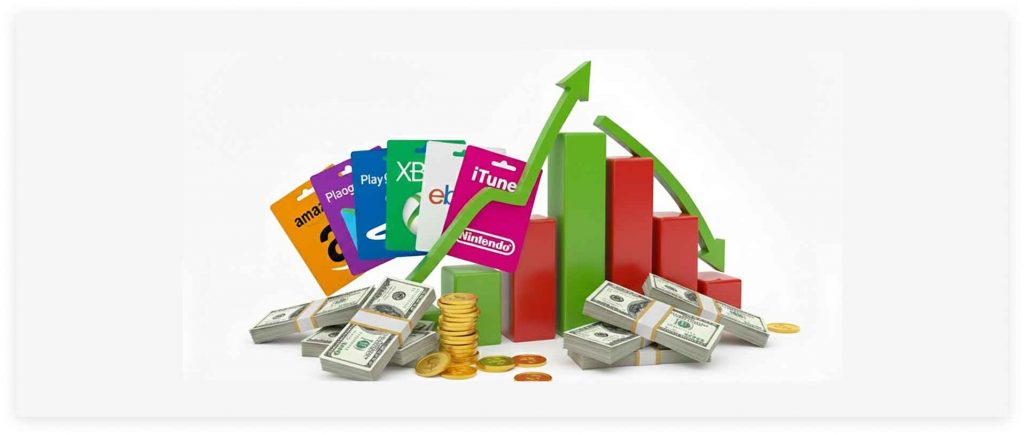
Gift card trading in 2025 is no longer just about face value. Liquidity determines speed, stability, and reliability. Understanding liquidity gives traders a clear advantage. Smart traders follow demand, not assumptions. They trade with awareness, not urgency. Liquidity turns value into reality.
If you want to trade gift cards with better timing and fewer delays, connect with ValueSwap to check live demand, dynamic rates, and fast payout options tailored to current market conditions.