

Every December, gift card rates rise steadily across Nigeria. Demand increases as people shop online, pay for subscriptions, and handle holiday expenses. By Christmas week, rates often reach their peak. Immediately after December 25, many traders notice a sharp decline. This sudden gift card rates drop confuses new traders and frustrates experienced ones. However, the decline is not accidental. It follows a clear economic pattern that repeats almost every year. Understanding this cycle helps traders protect value and plan smarter exits.
Post-Christmas Oversupply Floods the Market
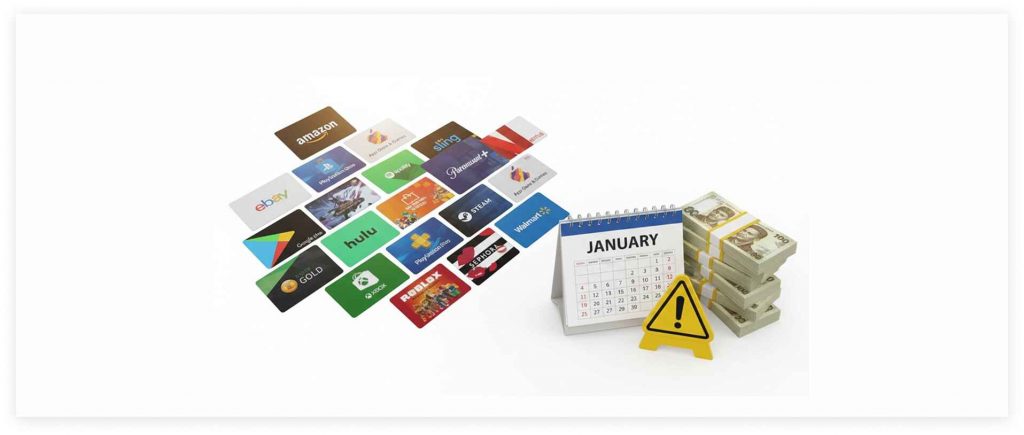
After Christmas, the Nigerian gift card market becomes heavily saturated. Many individuals receive gift cards as holiday presents, bonuses, or digital rewards from abroad. Once celebrations end, most recipients try to convert unused cards into cash quickly.
This rush creates a supply imbalance. Too many sellers enter the market at the same time, while buyer demand remains limited. Buyers gain leverage and negotiate lower prices. Sellers, eager for liquidity, accept reduced rates. Oversupply is the strongest driver of post-Christmas rate drops.
January Spending Habits Reduce Gift Card Demand
December spending is emotional and aggressive. January spending is cautious and defensive. After Christmas, many Nigerians reduce online purchases to recover from holiday expenses. Subscriptions are paused, shopping slows, and discretionary spending drops.
This behavior affects gift card demand directly. Fewer people redeem gift cards on platforms like Amazon or Apple during January. With reduced usage, traders struggle to sell cards at December prices. Lower spending naturally pushes rates downward. Foreign exchange pressure usually peaks before Christmas. Businesses, importers, and individuals scramble for dollars during December. After Christmas, some pressure eases temporarily as spending slows and inflows resume.
This short-term stability reduces the urgency to hold gift cards as dollar substitutes. Traders who previously used gift cards to hedge against naira weakness become less aggressive. Conversion activity slows across the market. When urgency drops, prices follow.
Crypto Demand Softens After the Holiday Rush
During December, gift cards are often converted to USDT for stability. Traders prefer holding value in stablecoins when uncertainty is high. After Christmas, crypto demand often cools or stabilizes.
When fewer people convert gift cards into USDT, trading volume reduces. Since gift card pricing is closely tied to crypto liquidity, rates adjust downward. This relationship becomes more noticeable during holiday transitions. Crypto sentiment quietly influences gift card pricing.
Not all gift cards react the same way after Christmas. Retail-focused cards linked to holiday shopping lose relevance quickly. Cards tied to year-round digital services retain value longer. Amazon, Apple, and gaming cards usually perform better because usage continues beyond holidays. Niche retail cards struggle once seasonal promotions end. Understanding card flexibility helps traders decide what to sell early.
Card utility determines post-holiday resilience.
Gift Card Rates Drop: Common Mistakes Traders Make After Christmas
Many traders hold gift cards too long, hoping rates will rebound immediately. Others panic sell everything at once when prices fall. Both approaches reduce overall earnings.

Experienced traders plan exit strategies before December ends. They sell portions early and keep flexible cards longer. Calm decision-making protects value better than emotional reactions. Post-holiday discipline separates smart traders from reactive ones.
When Gift Card Rates Begin to Stabilize Again
Gift card rates rarely stay low forever. By late January or early February, digital activity resumes gradually. Freelancers return to work, subscriptions restart, and online purchases increase.
As demand recovers, prices stabilize. This phase offers more predictable trading conditions. Sellers who wait patiently often secure better rates than those who rushed earlier. Markets always seek balance. During oversupply periods, platform behavior becomes critical. Some platforms reduce rates sharply to protect liquidity. Others rely on dynamic pricing to reflect real demand.
Platforms that verify cards instantly and adjust prices fairly help traders avoid unnecessary losses. Fast payout also becomes more important when margins tighten. Reliability matters more when rates are sensitive. Choosing the right platform, like VaueSwap, protects value.

Smart traders spread sales over time instead of selling everything at once. They monitor crypto demand and currency movement closely. They also prioritize flexible cards with stable demand. Small strategic decisions make a big difference during market corrections. Preparation reduces stress and improves outcomes.
Conclusion: Gift Card Rates Drop
Gift card rates drop after Christmas because supply increases while demand slows. Spending habits change, currency pressure eases, and crypto demand stabilizes. These shifts are predictable and temporary.
Traders who understand this cycle trade with confidence. Those who react emotionally often lose value. Knowledge remains the strongest trading advantage.
If you’re planning your next gift card trade, visit ValueSwap to check live rates, get instant payout, and trade securely without waiting or guesswork.