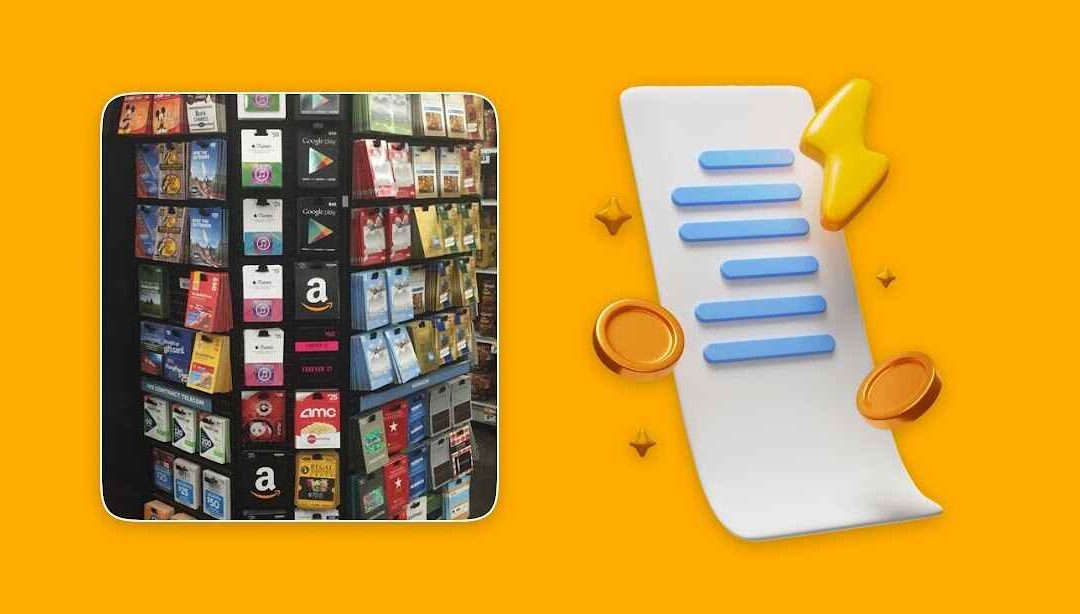
If you’ve ever tried to sell a gift card online for cash or USDT, you’ve probably noticed something important: you never get 100% of the card’s face value. Instead, you get a gift card rate, an exchange value that can change daily, much like currency exchange rates.
But what actually determines this gift card rate? Why does it vary between brands, regions, and even trading platforms? And how can you make sure you’re getting the best gift card rates in Nigeria, Ghana, or anywhere else?
This guide breaks down everything you need to know about how gift card exchange rates work, what affects them, and how ValueSwap ensures you always get a fair deal.
What Is a Gift Card Rate?
Simply put, a gift card rate is the amount of cash (or crypto) you receive when you sell your gift card to a buyer or exchange platform.
For example, if you have a $100 Amazon card and the current rate is ₦44,000 in Nigeria, that ₦44,000 is your gift card’s resale value.
Rates are always less than 100% of the face value because platforms have to account for demand, resale challenges, currency exchange, fees, and operational costs.
Why Gift Card Rate Vary by Brand
One of the biggest factors influencing your gift card rate is the brand of the card itself.
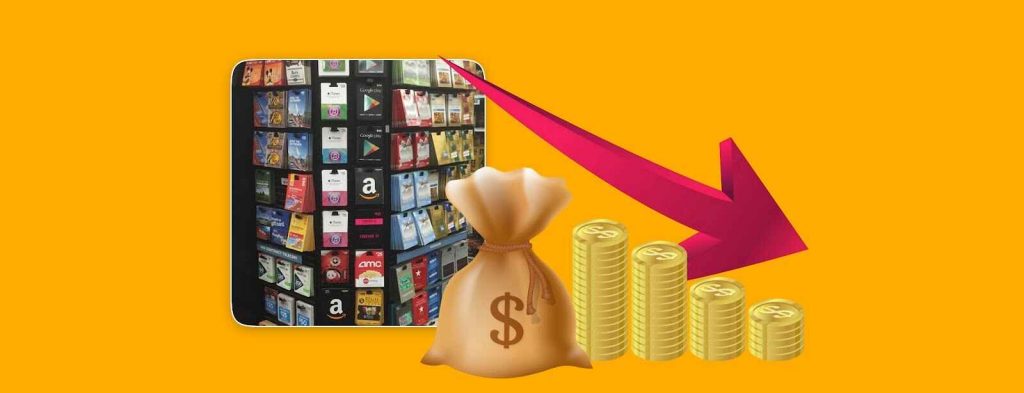
High-demand, universally accepted brands like Amazon, Apple, Visa prepaid, or Google Play usually offer the best rates because they’re easier to resell.
Meanwhile, niche brands with limited appeal, region-locked usability, or lower demand might have lower resale rates. For example, certain store-specific or regional cards might be harder for buyers to use, driving the rate down.
The Role of Market Demand
Like any market, demand plays a central role in determining rates.
When demand is high, such as during back-to-school shopping, Black Friday, or holiday seasons, buyers are willing to pay more for certain brands. This pushes rates up.
Conversely, during off-peak times or when supply exceeds demand, rates might dip slightly.
Platforms like ValueSwap constantly monitor demand trends to adjust rates in real-time, ensuring sellers get fair market value.
Impact of Card Type and Format
Whether your gift card is digital or physical also matters.
Digital gift cards (or eCodes) are easier to verify and deliver instantly, making them more desirable on trading platforms. This can lead to slightly higher rates.
Physical cards often require clear photos, PIN scratching, and extra verification steps, which can add time and operational cost for the platform, sometimes resulting in a lower rate.
If you have the choice, trading digital gift cards often secures the best rates.
Regional Exchange Gift Card Rate and Currency Fluctuations
Another critical factor is the exchange rate between currencies.
Platforms trading in Naira or Cedis have to convert the gift card’s value from USD or other currencies. Currency fluctuations directly affect the final payout.
For example, if the Naira weakens against the Dollar, it might reduce the payout in local currency even if the card’s USD value stays the same.
Professional platforms like ValueSwap use up-to-date foreign exchange rates to calculate fair, real-time payouts for users in Nigeria, Ghana, and beyond.
Platform Fees and Operational Costs
No trading platform can pay exactly 100% of a card’s face value because they cover costs for:
i. Secure transactions and encryption
ii. Fraud prevention and verification
iii. Customer support and payment processing
iv. Profit margins to sustain the business
These operational factors are built into the rate. Transparent platforms show users exactly what they’ll get, with no hidden fees.
ValueSwap, for example, provides a live rate calculator so sellers know their exact payout before submitting any card details.
How to Get the Best Gift Card Rate in Nigeria and Ghana
If you’re selling from Nigeria or Ghana, your goal is to maximize the local value of your gift card.
The first step is choosing a trusted platform like ValueSwap that specializes in local payouts in Naira and Cedis, while offering options for USDT.
Second, always check the live rate calculator before trading. Don’t trust vague promises; professional platforms give you clear, guaranteed payouts.
Third, consider timing. Selling during periods of high demand can secure you a better rate.
Finally, choose digital over physical when possible for faster verification and better value.
Why ValueSwap Delivers Competitive Rates
ValueSwap stands out by offering some of the best gift card rates in Nigeria and Ghana through a commitment to transparency, security, and customer service.
Its real-time rate calculator ensures users see exactly what they’ll get before trading.
Payouts are processed in 5–10 minutes in Naira, Cedis, or USDT, with end-to-end encryption protecting your card details. Plus, 24/7 human support is always ready to help with any questions or issues.
So before you trade, take a moment to check your rate, understand the market, and make sure you’re getting the best value possible.
Ready to see how much your gift card is worth today? Check your real-time rate on ValueSwap and start trading securely in minutes.